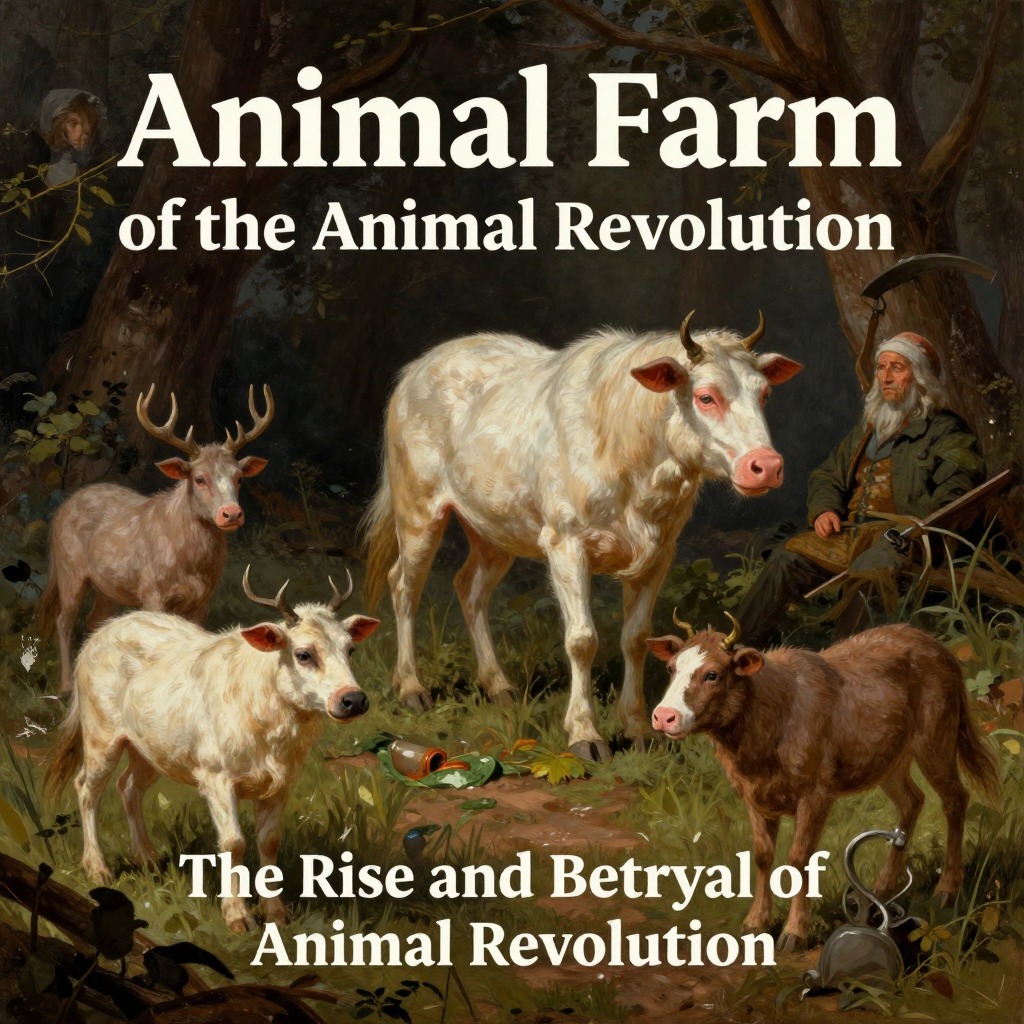
the four young porkers
Animal FarmThe four young porkers, nameless but distinct among the pigs, first appear in a moment of courage and dissent. On the Sunday after Snowball's expulsion, when Napoleon announced the end of the democratic Sunday Meetings, the animals were dismayed but only the four young porkers in the front row dared to speak. They uttered shrill squeals of disapproval and sprang to their feet, attempting to argue. But the dogs sitting around Napoleon let out deep, menacing growls, and the pigs fell silent. Then the sheep broke into a tremendous bleating of "Four legs good, two legs bad!" that lasted nearly a quarter of an hour, drowning out any further discussion. The protest was crushed before it could take shape, and the porkers sank back into silence, their voices overwhelmed by orchestrated noise and canine intimidation.
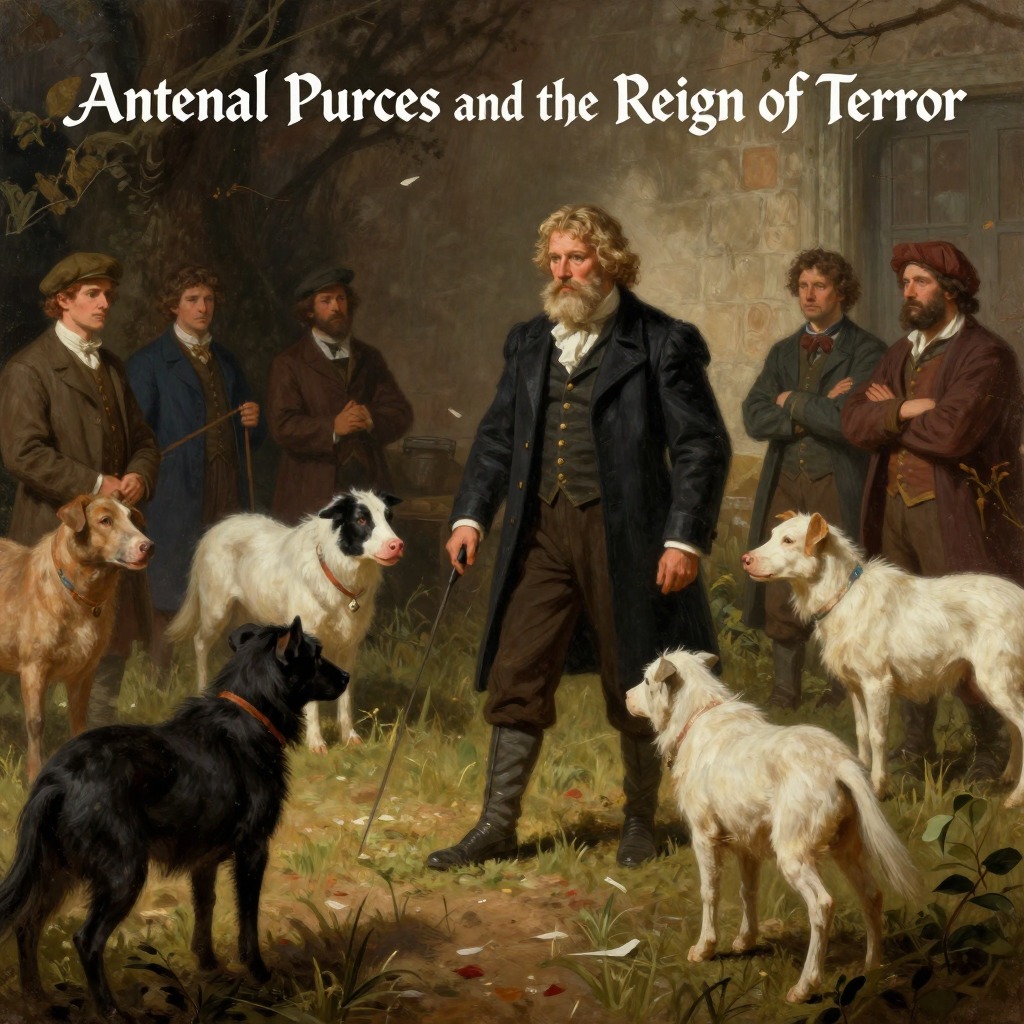
Weeks later, as the regime tightened its grip, the same four pigs were dragged from their places by the dogs. Napoleon, standing sternly, uttered a high-pitched whimper, and the dogs seized the four by the ears, dragging them squealing to his feet. Their ears bled, and the dogs, having tasted blood, appeared to go mad for a moment—three of them even attacked Boxer, who pinned one down until Napoleon ordered it released. Then Napoleon called upon the four to confess. Without any prompting, they admitted to having been in secret contact with Snowball since his expulsion, to collaborating with him in destroying the windmill, and to plotting to hand over Animal Farm to Mr. Frederick. They added that Snowball had privately confessed to being Jones's secret agent for years. The moment their confession ended, the dogs tore their throats out. The four young porkers were the first animals to be executed by their own kind since the Rebellion, a direct violation of the original Sixth Commandment, which had decreed "No animal shall kill any other animal." Their deaths marked the turning point from revolutionary idealism to terror.
The fate of the four young porkers is a microcosm of the revolution's corruption. They were among the cleverest of the pigs, able to articulate dissent, but they fell victim to the very system they had helped build. Old Major had warned against tyranny and killing, but the commandments were later altered to read "without cause," and the executions were justified as necessary. The porkers' elimination also served to cement Napoleon's personal cult: afterward, he was never spoken of simply as "Napoleon" but as "our Leader, Comrade Napoleon," with elaborate titles and a praise poem inscribed on the barn wall. The silenced protest and the staged confessions foreshadowed the final transformation of the pigs: eventually they walked on their hind legs, wore human clothes, and became indistinguishable from the men they had once overthrown. The four young porkers, who had once tried to hold the revolution to its original promise, were among the first to be erased when that promise was abandoned.